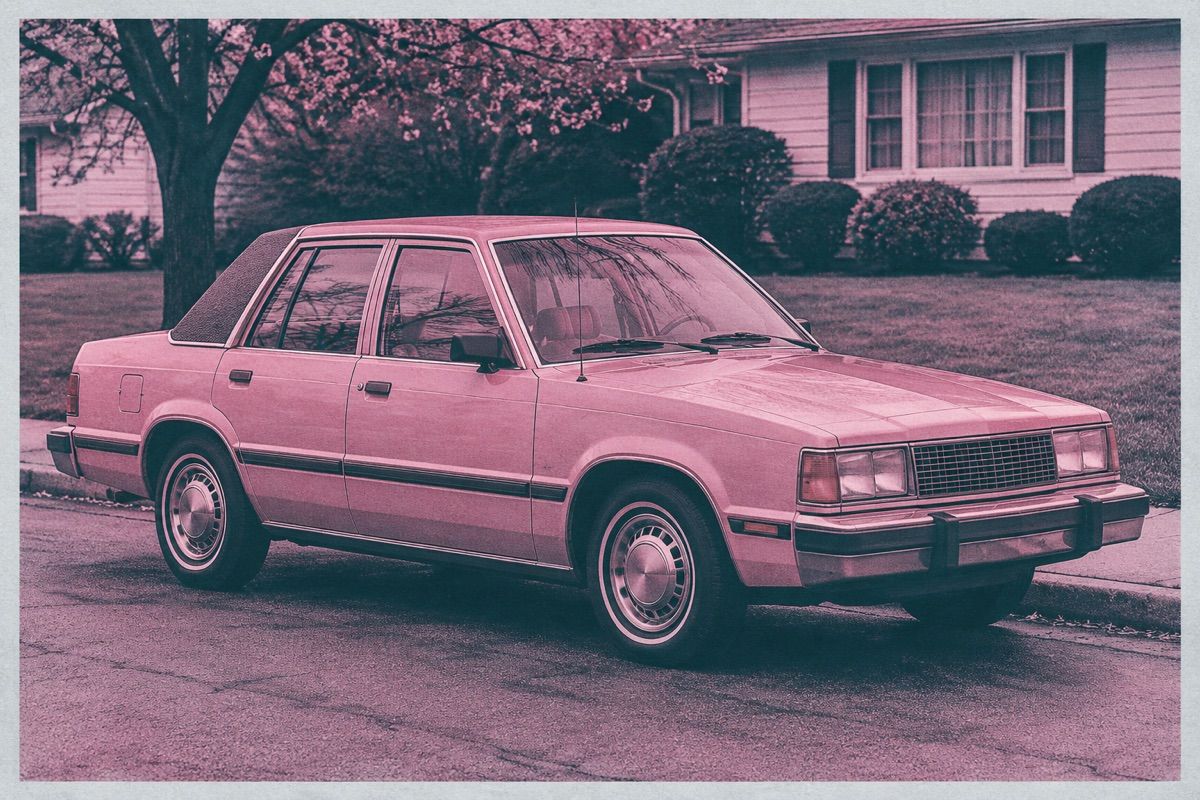
K-car
K-car platform
The cheap, simple, adaptable platform behind sedans, wagons, a convertible and the first minivans.
Read the guide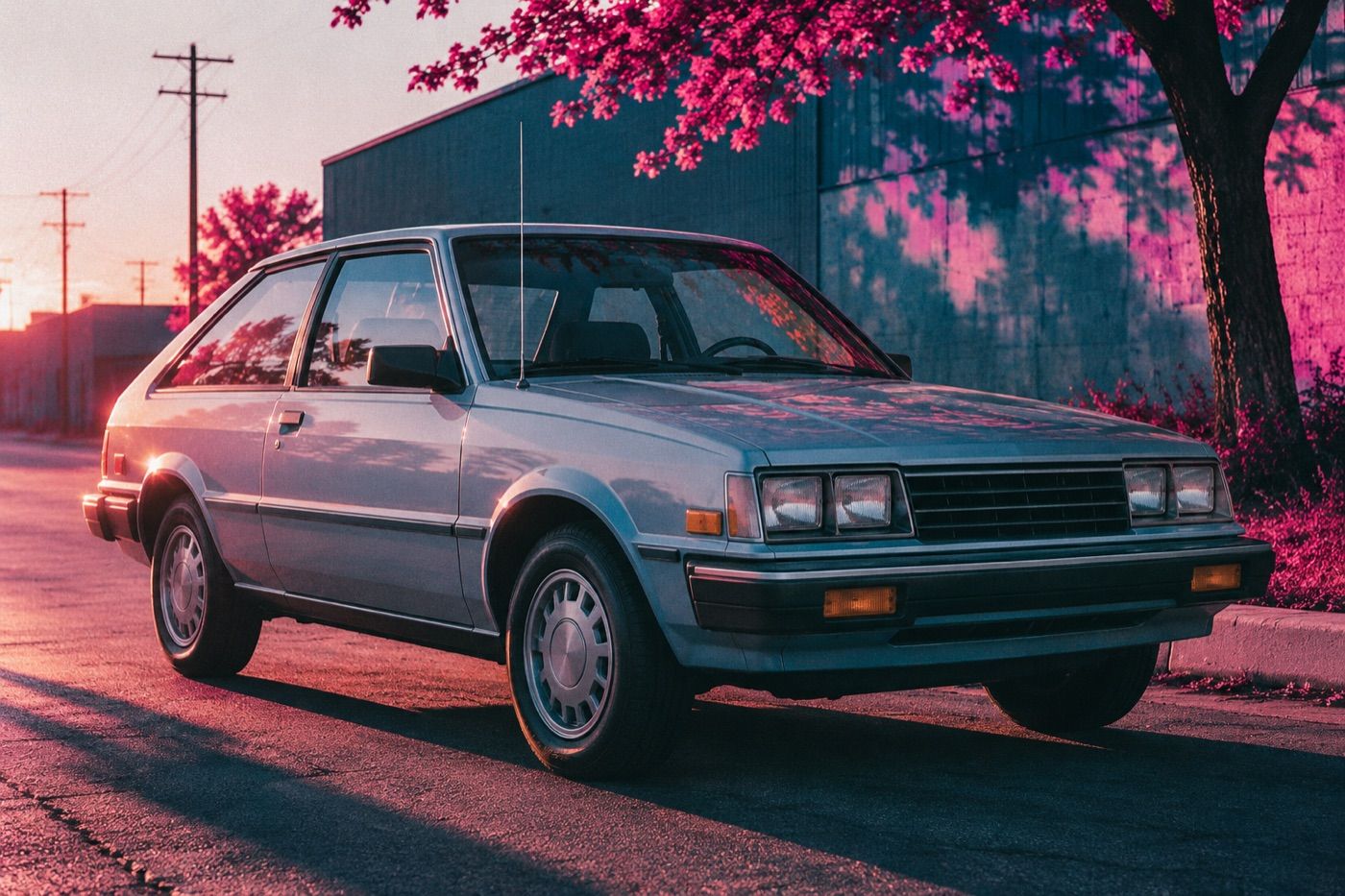
Independent guide to Chrysler, Dodge and Plymouth
K-cars, Omni and Horizon, turbo and Shelby specials, and the Neon: what they are, what to check, where the parts are.
Front wheel drive Mopars bring together fans of Chrysler, Dodge and Plymouth. The switch to driving the front wheels changed what these brands sold, starting with the 1978 model year. Mopar is the familiar name enthusiasts use for cars from these three brands.
Transverse is an independent guide to those cars. It covers K-cars, the Omni, turbo models and the Neon, giving you a place to start without wading through forum threads.
The lineup
K-car
The cheap, simple, adaptable platform behind sedans, wagons, a convertible and the first minivans.
Read the guide
Omni / Horizon
Chrysler's first mass-market front wheel drive hatchbacks, from the 1978 model year.
Read the guide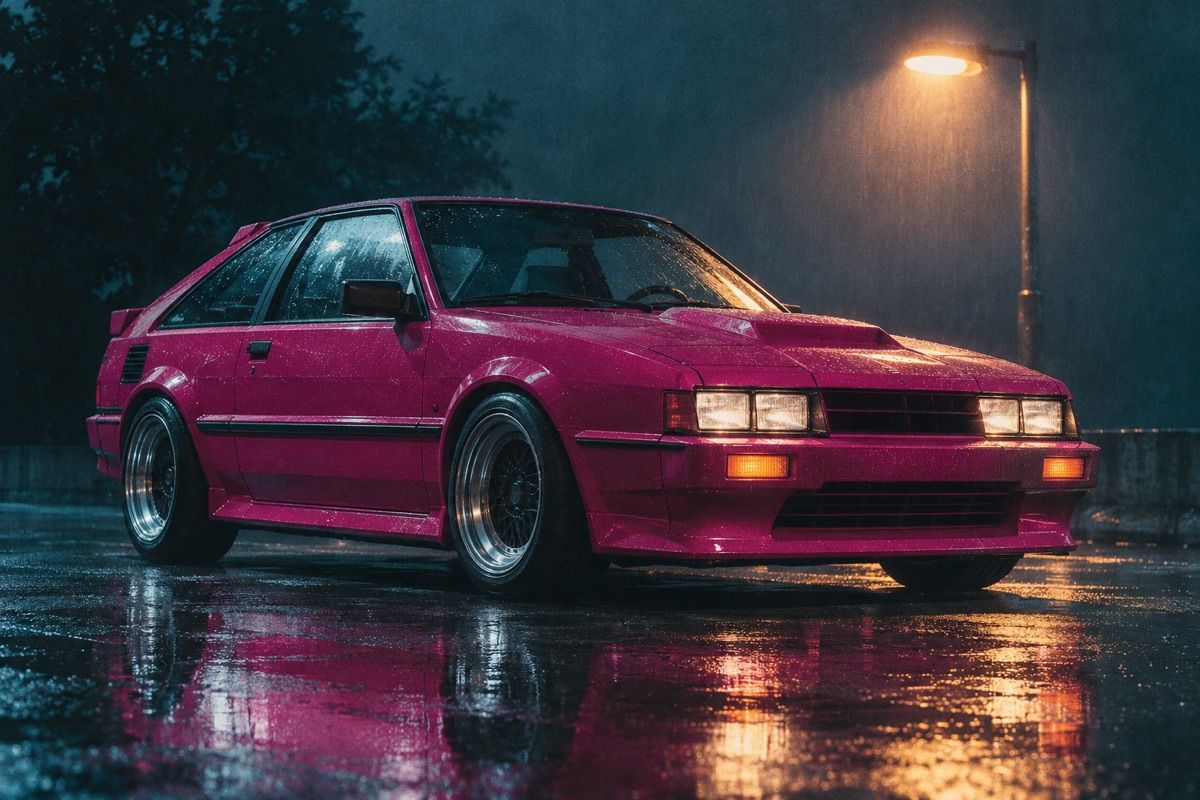
Turbo / Shelby
GLH, Daytona, Laser, Charger and Shadow: the turbocharged and Shelby-touched ones.
Read the guide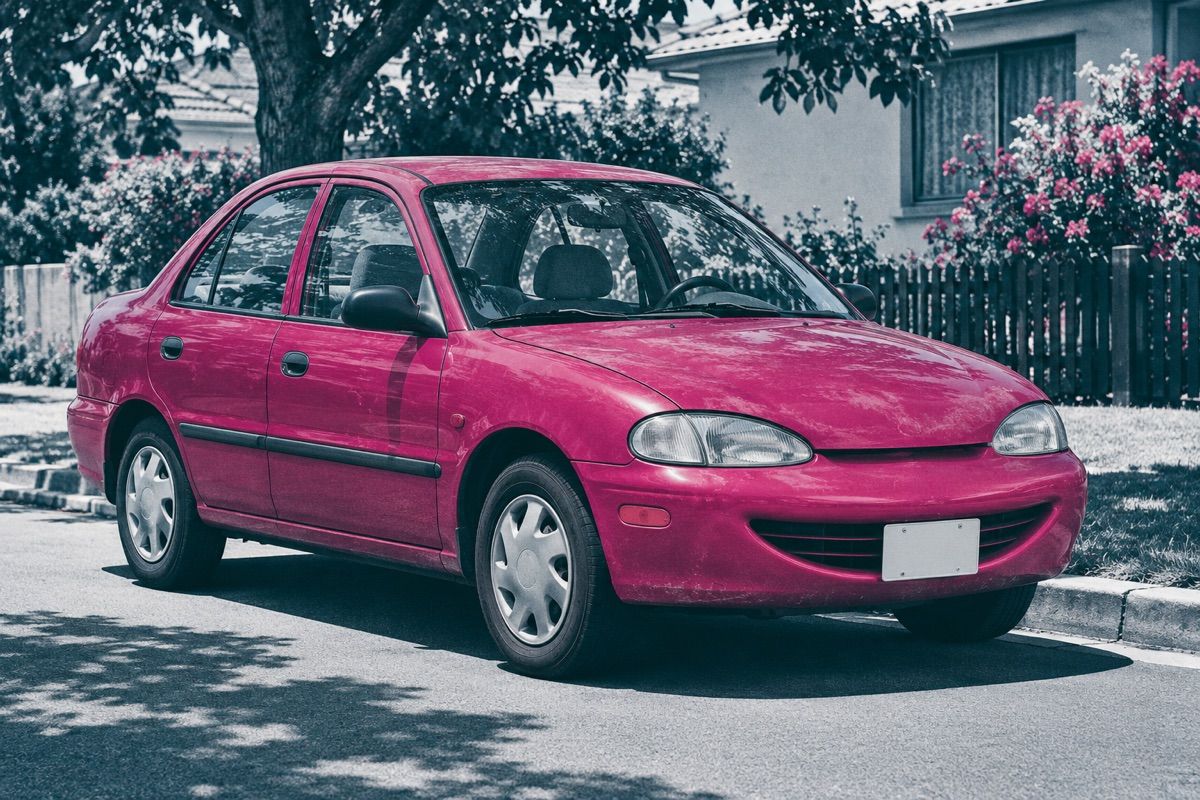
Neon
The 1990s compact people either love or warn you about, and what to inspect.
Read the guide
Why it matters
Front wheel drive puts the engine, gearbox and driven wheels in one place. That is why so many Chrysler, Dodge and Plymouth cars from the late 1970s onward share parts, platforms and problems.
The five guides each focus on a different topic. The first covers the K-car platform, the second the Omni and Horizon, the third turbo and Shelby cars, the fourth problems Neon owners report, and the fifth buying older Mopars and finding parts. You can go straight to the topic that interests you.
The story begins with the Omni and Horizon, the Dodge and Plymouth twins. Chrysler's first mass-market front wheel drive cars for the American market, they arrived as 1978 models. These small hatchbacks paved the way for the designs covered in the other guides.
The Chrysler K-car family is built on the K platform. The first K-cars, the Dodge Aries and Plymouth Reliant, appeared as 1981 models with a transverse four-cylinder engine. Many derivatives followed, including the Chrysler LeBaron and the first minivans, the Dodge Caravan and Plymouth Voyager from the 1984 model year. The K-car guide explains how the family grew and why each model still has its followers.
Front wheel drive Mopars were never just everyday commuter cars. In the 1980s Carroll Shelby worked with Dodge on sporty front wheel drive cars such as the Omni GLH, the Shelby Charger and the Daytona Shelby Z. The Omni GLH shows how much character a front wheel drive car can have. The turbo and Shelby guide covers these cars in detail.
The Neon represents a younger generation. It arrived as a 1995 model and still has an enthusiast following, thanks in part to the turbocharged SRT-4 version. It also has weak points, which the Neon guide explores through owner reports.
Buying an older car takes care. Check its condition, ask the seller about its service history and compare several listings. The buying and parts guide explains what to look for and how to find parts.
Transverse is an independent hobby information site and does not sell parts or cars. Whether you are interested in an Aries, an Omni GLH or a Neon SRT-4, it aims to be a reliable place to start.
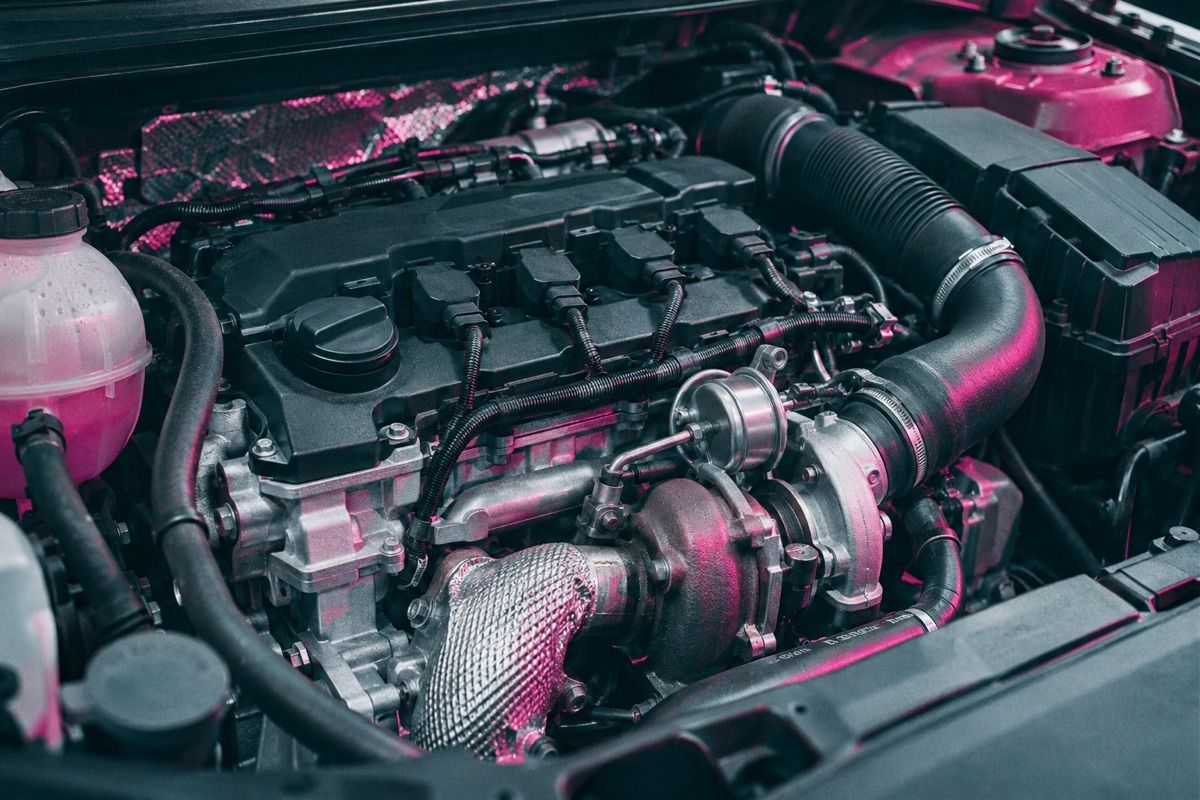
The simple front wheel drive platform that carried Chrysler out of a crisis, and the family of cars and vans that grew from it.
Open the guideTwin compact hatchbacks, the first mass-market front wheel drive Chryslers for the American market, and the base for some famous hot versions.
Open the guideHow a small turbocharged four-cylinder and a famous name turned economy platforms into the cars enthusiasts still chase.
Open the guideCheap, simple and divisive: what owners report most often, and how to inspect a Neon before you buy.
Open the guideWhere rust hides, what to check underneath, and how to approach parts for cars that are decades old.
Open the guide