Turbo / Shelby
Turbo and Shelby front wheel drive Mopars, from GLH to CSX
How a small turbocharged four-cylinder and a famous name turned economy platforms into the cars enthusiasts still chase.
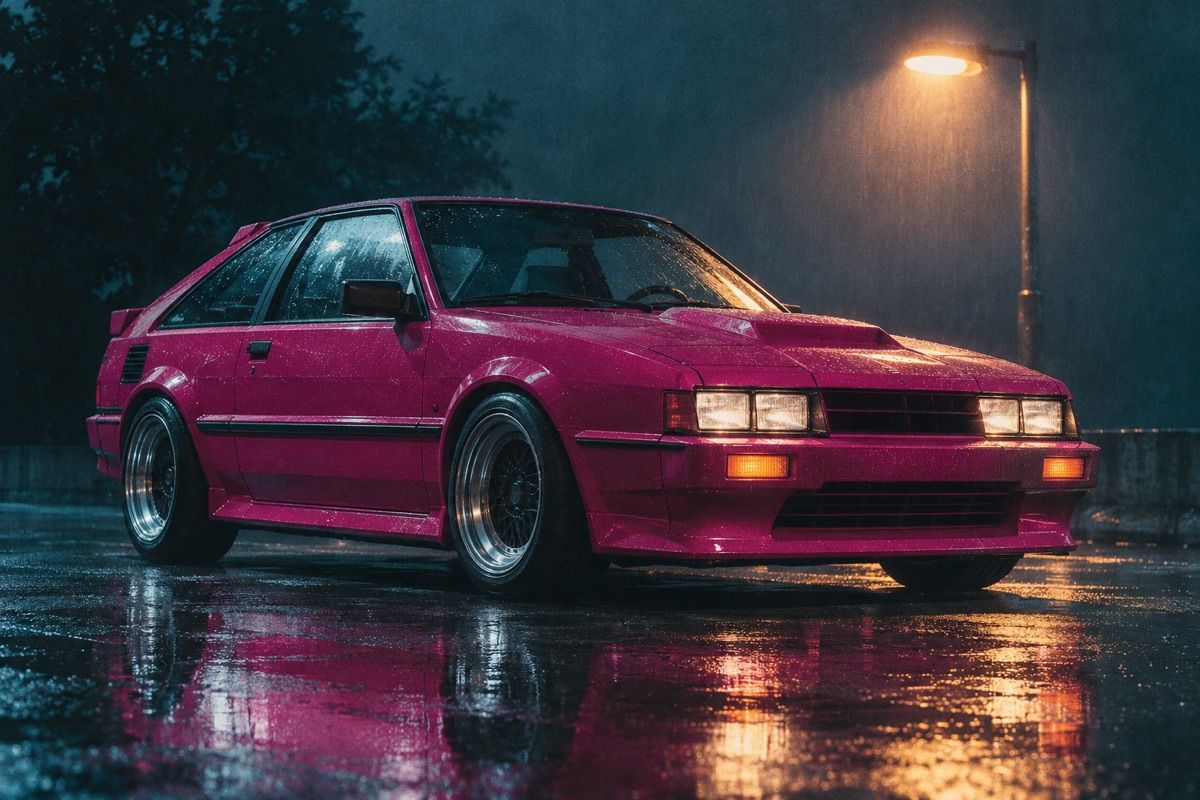
In the 1980s, Chrysler began offering turbocharged versions of its four-cylinder 2.2-liter engine in compact front-wheel-drive cars. The Dodge Omni GLH Turbo is one of the best-known examples. Along with other Shelby-linked cars, it helped build a reputation for small, quick Chryslers. How do these cars differ, and what should you look for when buying one? Here's an overview of the models and what to check for condition and originality.
The Chrysler 2.2 turbo engine: what the models share
The Chrysler 2.2 turbo engine ties this family together, with the same basic mechanical package used in several body styles. Tuners like these engines for their simple layout and wide selection of parts. That can be an advantage for buyers, but an engine's condition depends on its oil maintenance, turbocharger cooling, and service history.
The Dodge Daytona and Chrysler Laser were among the first models to offer turbocharging. The Omni GLH was developed with Carroll Shelby's involvement, and a turbo version followed in the middle of the 1980s. GLH is commonly expanded as Goes Like Hell. The name suits these small cars with sporty ambitions. If you're shopping for an Omni GLH Turbo, don't rely on the name alone: verify that the car is the turbo version.
Dodge Daytona Shelby Z, Chrysler Laser turbo and Dodge Shadow Shelby
Shelby's name also appeared on the Shelby Charger and, in the late 1980s, the Daytona Shelby Z. The Dodge Daytona Turbo Z name comes up in the same context, so read model designations in listings carefully and check them against the car's equipment.
Like the Daytona, the Chrysler Laser turbo was one of the first models to get turbocharging. The Shelby CSX was based on the Dodge Shadow in the late 1980s. If you're looking for a Dodge Shadow Shelby, that name refers to the Shelby CSX, which needs to be distinguished from an ordinary Shadow.
Is it worth buying one, and what to check
Start with the service history. Ask for invoices and shop records, how regularly the oil was changed, and whether the turbo system has been repaired. Missing paperwork doesn't rule out a car, but it calls for a more cautious assessment of the engine. During the inspection, listen to the engine both cold and warm, and check for oil leaks.
Many of these cars have been modified over the years. Identify what's stock and what's been changed, and ask the seller to document the work. A modification isn't necessarily a flaw, but clear documentation makes it easier to tell what's original and what was added later.
Check originality, too: examine the VIN, confirm that the equipment matches the version, and inspect the parts specific to the sporty models. This helps you avoid buying an ordinary model passed off as a rarer one. Verifying the version is especially important with cars such as the Omni GLH Turbo, Daytona Shelby Z, or Shelby CSX.
Turbo and Shelby front wheel drive: the short version
The Omni GLH Turbo, Daytona, Laser, and Shadow share a basic idea: a compact front-wheel-drive car with a turbocharged Chrysler engine. They differ in body style, version, and individual history, which affects value and driving enjoyment. Compare the listing with the paperwork and the car's condition to give yourself the best chance of choosing well. The buying and parts guide explains how to approach the process.