Buying
Buying an older front wheel drive Mopar: inspection and parts
Where rust hides, what to check underneath, and how to approach parts for cars that are decades old.
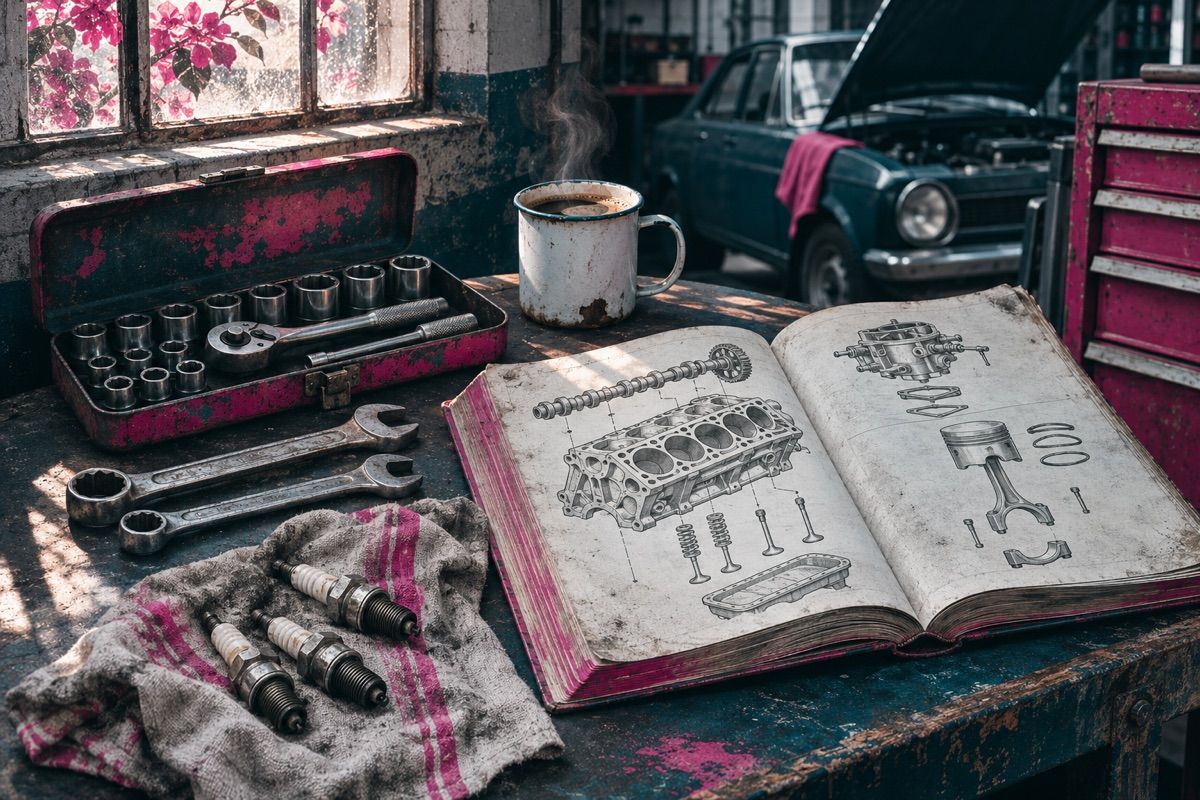
When buying an older front wheel drive Mopar, start with the body, then move on to the engine. This guide walks you through the inspection, points out common trouble spots, and explains where to look for parts. It also covers questions to ask the seller.
How to inspect a classic Mopar: start with the body
A Mopar can look good in photos and still need bodywork, especially when rust is hidden. Common rust spots on these cars include the wheel arches, rocker panels, floor, strut towers, and areas around the windows. Check each in good light, and inspect the floor from underneath. Fresh paint in these areas deserves a closer look because it can hide earlier damage. The body's condition determines whether further inspection is worthwhile, so don't let a tidy interior distract you from the metal.
Drivetrain and electrics: what else to check
Check the driveshaft joints, wheel bearings, suspension bushings, and clutch or automatic transmission, depending on the model. Look for oil leaks as well. A test drive can reveal play, knocks, and vibrations that aren't apparent when the car is stationary.
The electrical system deserves just as much attention because wiring insulation deteriorates over decades. Inspect the wiring harnesses, ground connections, and sensors. Check the interior plastics, too, since their condition can tell you a lot about how the car was stored. Brittle interior parts may need replacement, an expense that's easy to overlook when you're focused on rust and the drivetrain.
A turbo Mopar: what to ask the seller
For turbo models, starting the engine isn't enough. Ask about oil changes, turbocharger cooling, and any modifications. Missing or vague answers are reasons for caution. If the seller can't describe the car's service history, you may be left with the repair bills, so allow more room in your budget.
Which Daytona or Laser to buy
The VIN helps you check whether a Daytona or Laser's version and equipment match the seller's claims. This simple step can keep you from overpaying for a misrepresented car. Check parts availability early, too, since it affects how easy that version will be to maintain. Mopar forums, covered below, are a good place to discuss differences between versions.
Mopar FWD parts: where to look
Many parts are shared within the family, so use part numbers as the starting point for your search. They help you compare listings from several sources and check whether a part fits your version. A Mopar parts catalog lets you verify the number before ordering. The same approach applies to parts for the 2.2 turbo engine: matching part numbers is more reliable than relying on an ad's description, and comparing sources reduces the risk of buying the wrong part.
Mopar forums and owners' clubs are another useful resource. You can ask about a specific car before buying and find out which parts tend to cause trouble. Owners' experience can complement your inspection with advice specific to the Mopar you're considering.
A repair budget: the last checkpoint
Before buying, set a repair budget and check parts availability for the version you're considering. Add up the work identified during the inspection, including bodywork, drivetrain repairs, electrical issues, and any turbocharger work. That list helps you judge whether the asking price is realistic and gives you specific points to discuss with the seller.
Inspect the body first, followed by the drivetrain and electrical system. For turbo models, review the oil and cooling history as well. Check the VIN and compare parts by catalog number to complete your assessment. Refer to the model guides for details on each version.