K-car
The Chrysler K-car platform, explained
The simple front wheel drive platform that carried Chrysler out of a crisis, and the family of cars and vans that grew from it.
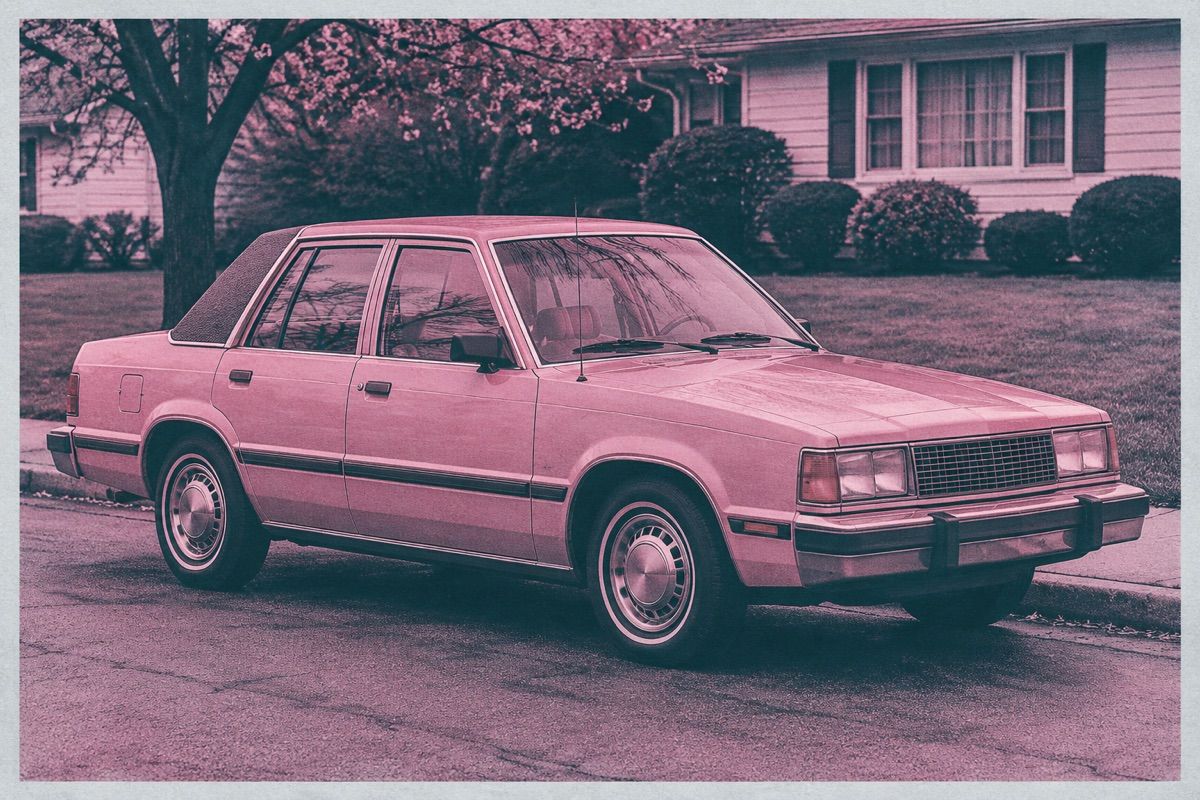
The Chrysler K-car is one of the most important car families in the American brand's history. The K platform took shape around the turn of the 1980s, when Chrysler was in serious financial trouble. Here's how it got its name, which models it spawned, and what to consider if you want one today.
What is the K-car platform?
The K platform was designed to be simple, inexpensive and versatile. Chrysler's financial crisis left no room for costly experiments. The K-car name comes from the platform designation, not an abbreviation describing the car's concept, a common point of confusion.
K-cars had front wheel drive and a transverse four-cylinder engine. The 2.2 liter engine was among the most important in the family. This layout worked with many body styles, allowing Chrysler to develop several variations on one design. That versatility explains the platform's many derivatives.
Chrysler K platform models
The first K-cars were the Dodge Aries and the Plymouth Reliant, which appeared as 1981 models. The Chrysler LeBaron was their higher-end twin. Body styles included sedans, coupes and station wagons, with a LeBaron convertible also available from the early 1980s. If you're looking for a K-car wagon, check listings for several models in the family and confirm the body style in the paperwork.
The platform's influence extended beyond sedans and coupes. Its many derivatives included the first minivans, the Dodge Caravan and Plymouth Voyager from the 1984 model year, as well as cars in the Daytona and Laser line.
Is a K-car reliable today?
K-cars are now decades old, so their condition depends largely on age, use and maintenance. Rust, suspension and drivetrain wear, and service history matter most. A model's general reputation tells you less about reliability than the history of the individual car.
Focus on three areas. First, check the body for rust. Second, inspect the suspension and drivetrain for wear. Third, review the service records to see how well the car was maintained. Compare several listings, too, since the condition of cars of the same model can vary widely.
Many mechanical parts and fittings are shared across the family, making replacements easier to find even for less common variants. That doesn't mean every missing part is available off the shelf, but shared components improve the odds. It's a good reason to consider the whole family rather than just one model.
The K-car as the start of a bigger story
The Chrysler K-car emerged from financial trouble to become the foundation of a broad lineup, from the Aries and Reliant to the first minivans. Buying one today calls for a careful inspection of the individual car, though shared parts make it easier to keep running. The Omni and Horizon guide covers Chrysler's front wheel drive beginnings.